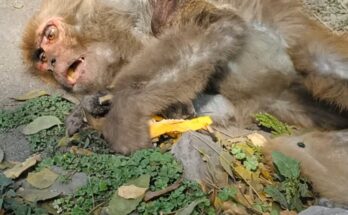
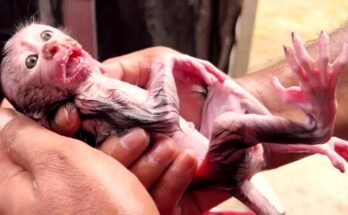
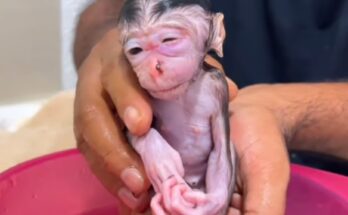
The transition from the forest canopy to the animal market is a descent into a particular kind of hell for a baby monkey. Gone is the dappled sunlight and the soft rustle of leaves. It is replaced by the overwhelming cacophony of caged animals, the stench of waste and fear, and the relentless gaze of strangers. This is not a life; it is a desperate, prolonged struggle for survival in a concrete and metal prison.
Stolen from their mothers, often after the mothers are killed, these infants are crammed into tiny, barren cages. They are paralyzed with terror, huddled in corners, their eyes wide with a trauma they cannot comprehend. Their natural instincts—to cling, to play, to explore—are utterly thwarted. There is no mother to groom them, no troop to socialize with, only the cold bars and the hands that reach in to provoke them for a buyer’s amusement. They are frequently underfed, given just enough dirty water and scraps to keep them alive, their ribs soon visible beneath their matted fur.
The goal is to sell them as exotic pets. To make them “cute” and compliant, they are often dressed in human clothes, chains fastened around their tiny necks, and forced into unnatural poses. The stress is immense, leading to repetitive, neurotic behaviors like pacing or self-mutilation. Diseases spread rapidly in the cramped, unsanitary conditions, and without veterinary care, many succumb to respiratory infections or parasites.
This bleak existence is a cycle of fear, hunger, and loneliness. It is a life stripped of every essential element that defines a monkey’s world: family, freedom, space, and dignity. For every baby monkey in the market, their story is one of profound loss. Their future, if they are not rescued, is tragically short—a life that began in the vibrant wild ends in a silent, lonely suffering, a world away from the trees they were born to call home. Their silent pleas, however, have sparked a global network of rescuers and advocates fighting to shut down these markets and give these stolen infants a second chance.